
Seeing the Future: Raising Awareness for AMD and Low Vision
February marks AMD/Low Vision Awareness Month, a time dedicated to spreading knowledge about Age-Related Macular Degeneration (AMD) and the resources available for those living with visual impairments.
As we age, our eye health becomes increasingly critical to our independence and quality of life. This month, we want to highlight how early detection and modern support can make a world of difference.
Understanding Age-Related Macular Degeneration (AMD)
AMD is a leading cause of vision loss for people over age 50. It occurs when the macula—the part of the eye responsible for sharp, central vision—becomes damaged. This can make it difficult to recognize faces, read small print, or drive safely.
There are two primary types of AMD:
- Dry AMD: The most common form, characterized by the gradual thinning of the macula.
- Wet AMD: A less common but more severe form where abnormal blood vessels grow under the retina, leading to faster vision loss.
The Importance of Early Detection
Because AMD often progresses slowly and painlessly, many people don’t notice changes until significant damage has occurred. Regular comprehensive eye exams are the best defense. Eye care professionals can often spot early signs of the disease before you notice any symptoms yourself.
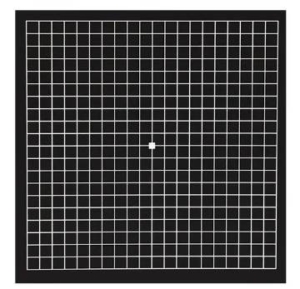
Tip: If you notice straight lines appearing wavy or a “fuzzy” spot in the center of your vision, schedule an eye exam immediately.
Living Well with Low Vision
A diagnosis of AMD or low vision doesn’t mean giving up on an active life. Low vision rehabilitation focuses on maximizing the sight you have left through:
- Magnification Tools: High-powered lenses, digital magnifiers, and specialized software.
- Lighting Adjustments: Using task lighting and reducing glare to improve clarity.
- Daily Living Skills: Learning new ways to navigate the kitchen, manage medications, and use technology.
Take Action This Month
Schedule an Exam: If it has been more than a year since your last eye check-up, call us at 920-739-4361 to schedule an examination.
Check Your Vision: Use an Amsler Grid at home to monitor for changes in your central vision.
Join the Conversation
Help us spread the word this February. Share this blog with loved ones and encourage the seniors in your life to prioritize their vision health!
Learn More: Visit the American Academy of Ophthalmology for detailed resources on eye health.