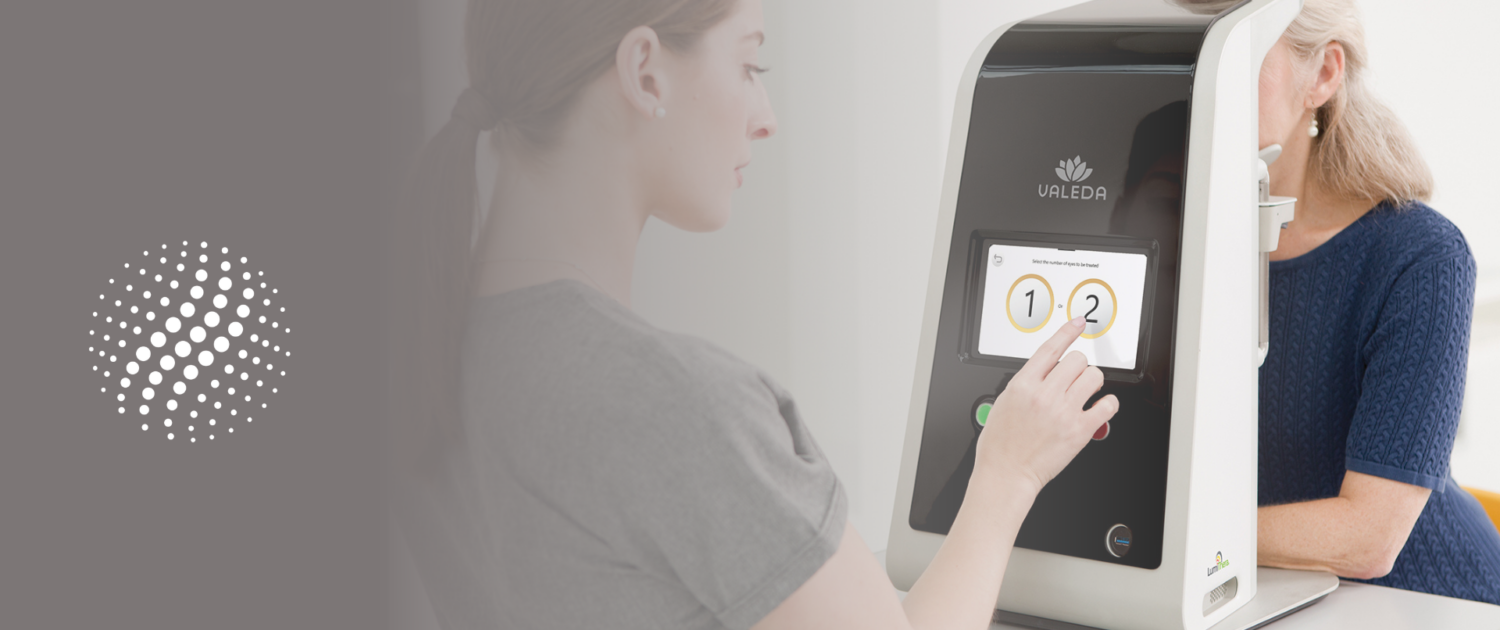
Valeda Light Delivery System

What is Dry Age-Related Macular Degeneration (AMD)?

Dry age-related macular degeneration (AMD) is a primary cause of vision impairment in seniors. This condition impacts the macula—the area of the retina that manages the clear, central vision necessary for tasks like driving and reading. The progression of dry AMD is typically categorized into three distinct stages.

Small yellow deposits called drusen form under the retina. As they accumulate, they can interfere with the function of the retina and lead to thinning and atrophy of macular tissue. There is typically no vision loss.

Larger drusen and/or pigment changes in the retina; some vision changes may be noticeable.

Advanced dry AMD can cause retinal cells to deteriorate and may result in cellular death, leading to geographic atrophy and permanent vision loss.

Is there a cure to Age-Related Macular Degeneration (AMD)?

While a definitive cure for macular degeneration has not yet been found, research into new therapies is ongoing. Standard care for dry AMD typically involves slowing vision loss through over-the-counter medicine, like AREDS2 vitamins.

However, Valley Eye Associates is proud to offer a breakthrough: the first FDA-authorized treatment proven to actively improve visual function for those living with dry AMD. It’s important to remember that while these options aren’t a cure, they offer significant hope. By starting treatment early, many patients are able to regain lost vision and protect their sight from worsening over time through ongoing management.

What is Valeda?

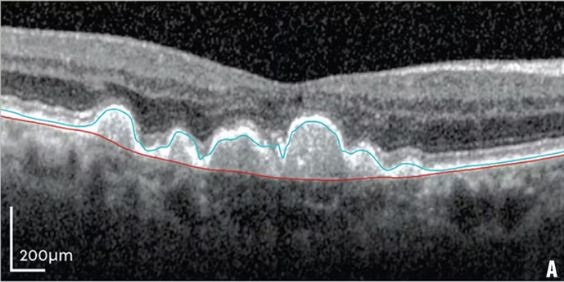
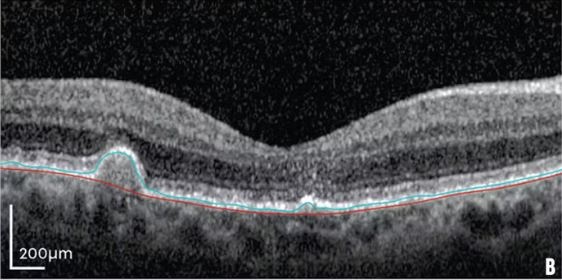
Valeda is a light-based therapy that utilizes photobiomodulation (PBM) to stimulate cellular energy production within the eye. By promoting healthier cell function, this treatment has been proven to reduce drusen—the yellow protein deposits that form beneath the retina—while effectively slowing the progression of dry AMD.

Valeda represents a breakthrough in eye care as the first FDA-authorized, non-invasive treatment. This painless therapy allows patients to remain comfortable while enhancing their overall visual function without the need for injections.

  • Non-Invasive

    Safety and comfort are at the heart of the Valeda experience. Unlike surgical lasers, Valeda delivers gentle, multiwavelength light that reaches the retina without any risk to the surrounding facial structure. This non-invasive approach requires no needles, no numbing drops, and no downtime—making it a stress-free option for those managing dry AMD.
  • Improve Vision

    Imagine being able to see more clearly during your next eye exam. Studies have shown that patients undergoing Valeda treatment for one year experienced a meaningful boost in vision, gaining the ability to read an extra line on the eye chart. This improvement can make a real difference in daily activities like reading or recognizing faces.

  • Safety

    Is the light harmful to my eyes?
    Not at all. Valeda uses low-level light therapy that has been specifically tested for safety. Clinical studies confirm that the treatment does not cause phototoxicity or damage to the delicate tissues of the eye. In fact, no serious adverse events related to the therapy were reported during trials, making it a proven, safe alternative to more invasive procedures.

BeforeAfter

Picture A: Drusen appearance at Macula OCT before treatment | Picture B: Reduction of drusen after Valeda treament

What does the treatment schedule look like?

Valeda is a light-based therapy that is performed through multiple sessions over a few weeks. Most patients complete a series of 9 treatment sessions over 3-5 weeks. After the initial series, follow-up treatments are typically scheduled every 4 months for maintenance.

  • Initial Series

    1

    9 Sessions performed in a 3-5 week window.

  • Cellular recovery and visual stabilization period.

    2

    Opitimization

  • Maintenance

    3

    Repeat treatment series typically every 4 months.

  • Continuous monitoring and vision preservation.

    4

    Long-Term Care

Is Valeda right for you?

Ideal Valeda candidates are patients who have been diagnosed with early-to-intermediate Dry AMD that have vision impairment. It is important to note that the stage of your condition—whether early, intermediate, or advanced—can influence the overall effectiveness of the therapy. Our doctors will perform a comprehensive evaluation to determine if this treatment is the right fit for you.

Starting treatment in the earlier stages often provides the greatest opportunity to protect and enhance your visual function

*Valeda is not recommended for individuals with Wet AMD or advanced central macula atrophy.

Schedule an Evaluation Today

If you or someone you know is dealing with Dry AMD, contact us to schedule an appointment to see if Valeda could help.

Send us mail

© 2018-2026 Valley Eye Associates, LP. All rights reserved.