
August is Children’s Eye Health and Safety Month
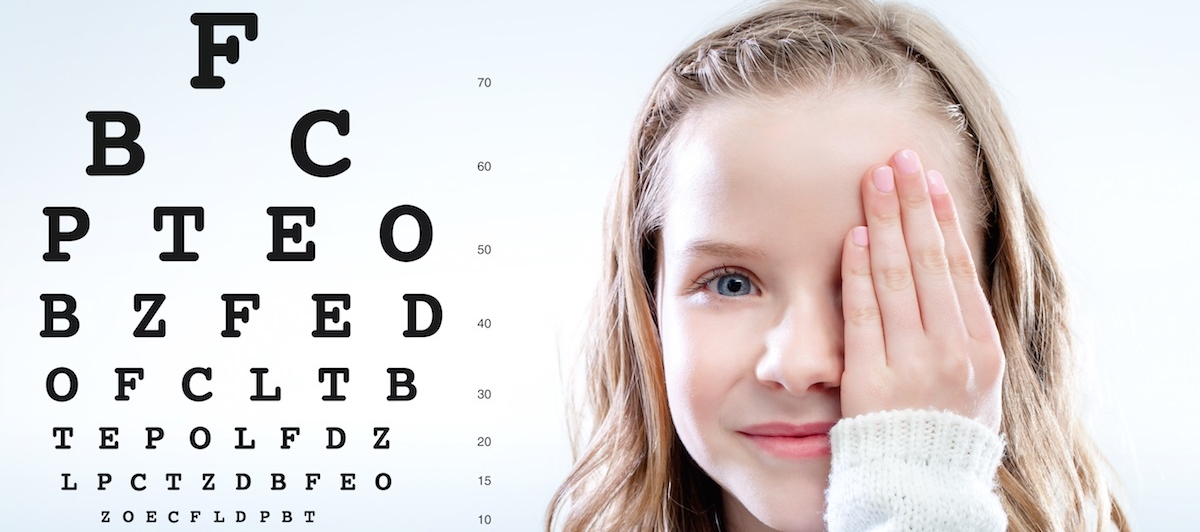
As summer days begin to wind down across Northeast Wisconsin, families from Green Bay to Oshkosh and throughout the Fox Valley are preparing for one of the busiest times of the year: back-to-school season. Between shopping for new backpacks, organizing classroom supplies, and soaking up the last warm afternoons before school starts, there’s one essential item that often gets left off the checklist—your child’s eye health.
August is recognized as Children’s Eye Health and Safety Month, an annual observance dedicated to ensuring our children have the clear, comfortable vision they need to learn, play, and grow safely.
At Valley Eye Associates, we believe that clear vision is foundational to every child’s development. Let’s take a look at why pediatric eye care matters, common signs that your child might be struggling with their vision, and practical steps you can take to protect their sight this school year.
Why Early Eye Care Matters
Did you know that up to 80% of what a child learns in school is presented visually? From reading the whiteboard at the front of the room to analyzing textbooks and engaging with classroom technology, vision plays an indispensable role in academic success and athletic performance.
Because children’s eyes develop rapidly during their early years, uncorrected vision problems can cause unnecessary frustration, fatigue, and even difficulty in classroom focus—sometimes mimicking symptoms of learning or attention disorders. Because kids don’t always know what “normal” vision is supposed to look like, they rarely complain about blurred or double vision. That makes proactive care all the more crucial.
Common Signs Your Child May Have Vision Problems
While a school nurse or pediatrician may conduct basic vision screenings, these tests often only measure distance visual acuity. They can easily miss issues related to eye focusing, tracking, alignment, or eye strain. Keep an eye out for these subtle warning signs at home or in the classroom:
- Frequent Eye Rubbing or Excessive Blinking
- Squinting or Tilting the Head
- Holding Books or Screens Unusually Close
- Covering One Eye
- Short Attention Span During Visual Tasks
- Frequent Headaches or Light Sensitivity
Protecting Young Eyes: Actionable Tips for Parents
Whether your kids are spending hours outside enjoying late-summer activities or diving into screen-heavy homework assignments, here are a few key steps to keep their eyes safe and healthy year-round:
- Prioritize Protective Eyewear in Sports
Whether on the soccer field, baseball diamond, or basketball court, sports injuries are one of the leading causes of preventable eye trauma in children. Regular prescription glasses or sunglasses are not designed to withstand high impact. Invest in proper, impact-resistant polycarbonate sports goggles to safeguard your athlete’s eyes.
- Don’t Forget UV Protection Outdoors
Children’s eyes let in more light than adult eyes, making them especially vulnerable to harmful ultraviolet (UV) radiation. Ensure your kids wear 100% UV-blocking sunglasses and wide-brimmed hats when playing outdoors under the summer sun.
- Practice Digital Eye Strain Habits (The 20-20-20 Rule)
With tablets and computers integrated into almost every school curriculum, digital eye strain is becoming increasingly common in kids. Encourage your child to practice the 20-20-20 Rule: every 20 minutes, take a 20-second break to look at something at least 20 feet away. Remind them to make a conscious effort to blink fully while using devices.
- Schedule a Comprehensive Eye Examination
The single best step you can take for your child’s visual wellness is scheduling a full, comprehensive eye examination before the school year gets into full swing.
Strong vision helps kids learn with confidence, stay safe while playing, and connect with the world around them. At Valley Eye Associates, our experienced doctors offer compassionate care, from exams to eyewear, to injury prevention tips.
Don’t wait until school starts to call, give us a call now!